
If there is one thing that causes more stress than a bidding war in Central Florida, it’s navigating the complexities of home maintenance and Florida’s ever-challenging property insurance market. High heat, humidity, and the perennial threat of hurricane season make home maintenance here a year-round priority, not a seasonal chore.
Protecting your home’s value starts with proactively preserving its structural integrity and insurability.
The HVAC System is Your Humidity Lifeline
In Central Florida, your Air Conditioning (AC) unit does more than keep you cool—it acts as your home’s most essential dehumidifier, which is crucial for preventing mold and moisture damage.
Critical Maintenance Tips for Florida Heat:
- Monthly Filter Changes: During the peak summer months (May-October), change your AC filters monthly. Clogged filters force the unit to run harder, increasing energy costs and risking burnout.
- Twice-Yearly Service: Schedule professional maintenance in the spring and fall. A technician checks the coil, refrigerant levels, and drainage lines (which frequently clog with algae in our climate).
- Consider a UV Light: Many Central Florida HVAC systems benefit from a UV light installed in the air handler unit to kill airborne mold and bacteria before they circulate through your home. This is a common, smart local upgrade.
The Roof Reality and the 4-Point Inspection
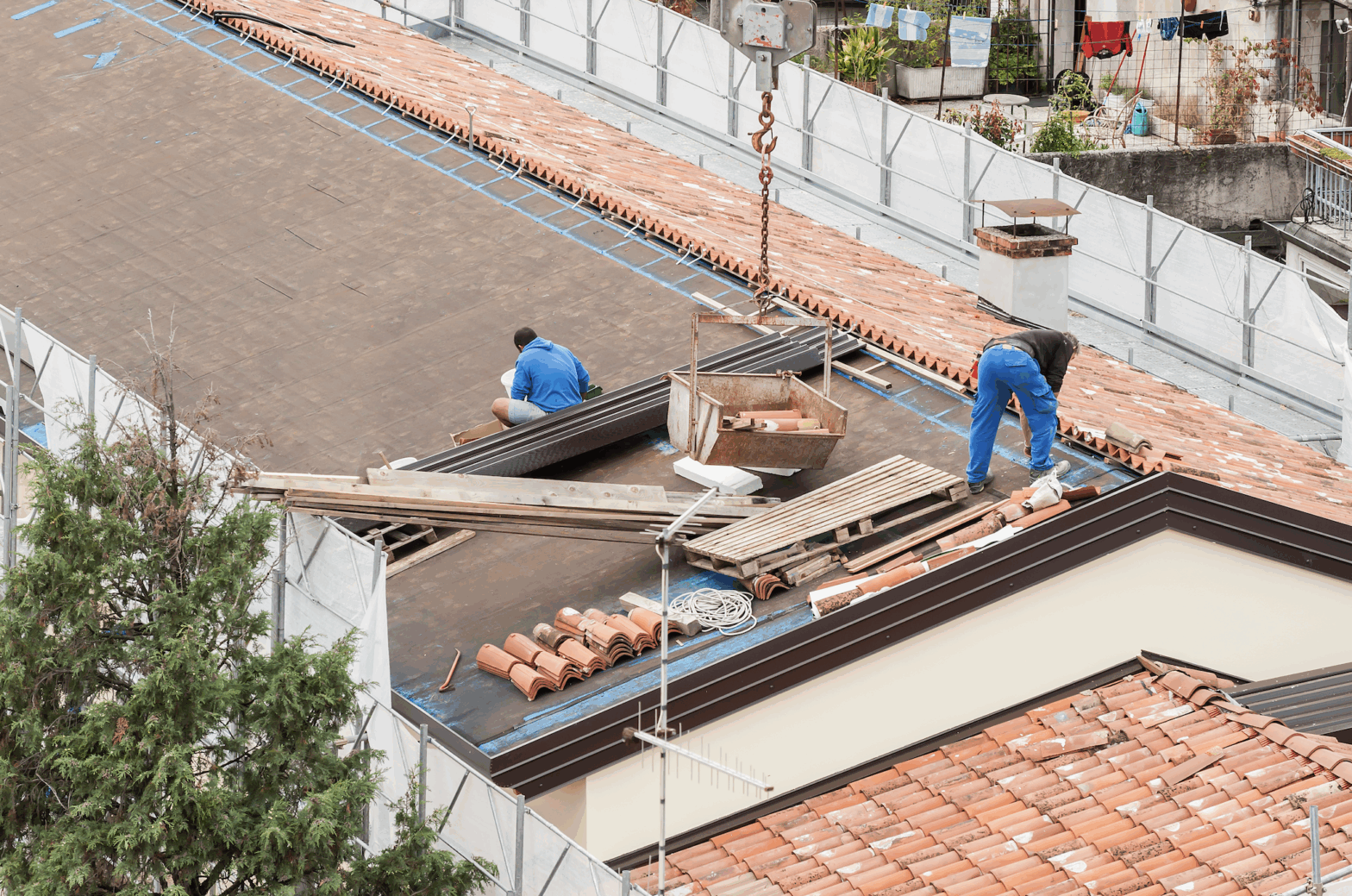
In Florida, your roof is not just shelter; it’s the single biggest factor determining your home’s insurability and value.
- The 15-Year Rule: For homes older than 30 years, insurance companies often require a 4-Point Inspection (covering HVAC, plumbing, electrical, and roof) when a buyer attempts to secure new coverage. The single most common failure is the roof.
- Insurer Limitations: Many Florida insurers will not offer full coverage on a roof over 15 years old. If you are a seller, or a buyer looking at an older home, you must get an honest assessment of the roof’s remaining useful life (RUL).
- Seller Strategy: If your roof is approaching the 15-year mark, replacing it before listing can be the highest ROI investment you make, as it significantly broadens the buyer pool and reduces closing hurdles.
Mitigating the Storm Risk (and Insurance Costs)
Homeowner’s insurance rates are highly volatile. One of the best ways to reduce your premium and protect your home is through Wind Mitigation.
A certified wind mitigation inspection checks for specific features that make your home resistant to hurricane-force winds:
- Roof-to-Wall Attachments: Are the trusses secured with simple toe-nails or strong hurricane straps?
- Opening Protection: Do you have approved hurricane shutters or impact-resistant doors and windows?
- Roof Geometry: Hip roofs (four slopes) often qualify for better discounts than gable roofs (two slopes).
Action Item: If you haven’t had a wind mitigation inspection in the last five years, schedule one immediately. The certificate is valid for five years, and the premium savings often cover the inspection cost in the first year alone.
Conclusion: Be Proactive, Not Reactive
In Central Florida, the difference between a minor issue and a five-figure insurance claim often comes down to proactive maintenance. Know your roof age, service your AC religiously, and utilize every available insurance discount.
Ready to partner with an agent who understands the unique risks and rewards of Florida homeownership?